Spray vs. brush cabinet painting can lead to very different results, especially on doors, drawer fronts, and detailed cabinet frames. The best method depends on the cabinet material, the coating system, the preparation process, and the skill of the painter applying it.
For many kitchens, spraying creates the smoothest and most even finish. Brushing still has a place for touch-ups and select on-site areas, but the application method should be chosen as part of a full professional cabinet painting process, not treated as the only decision that matters.
Key Takeaways:
How Spray and Brush Cabinet Finishes Differ
Spray application breaks the coating into fine particles and lays it across the surface in thin, even layers. When the surface is prepared correctly and the coating is applied at the proper thickness, the result can look smooth and consistent across doors, drawer fronts, frames, and detailed profiles.
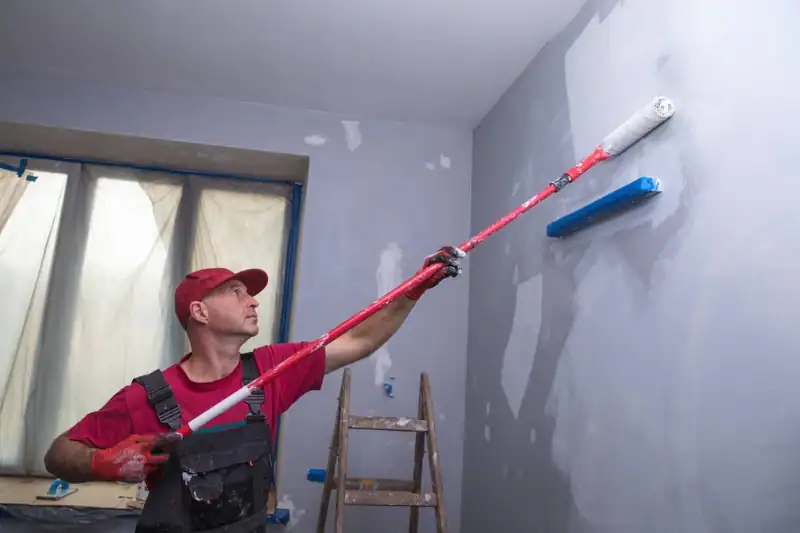
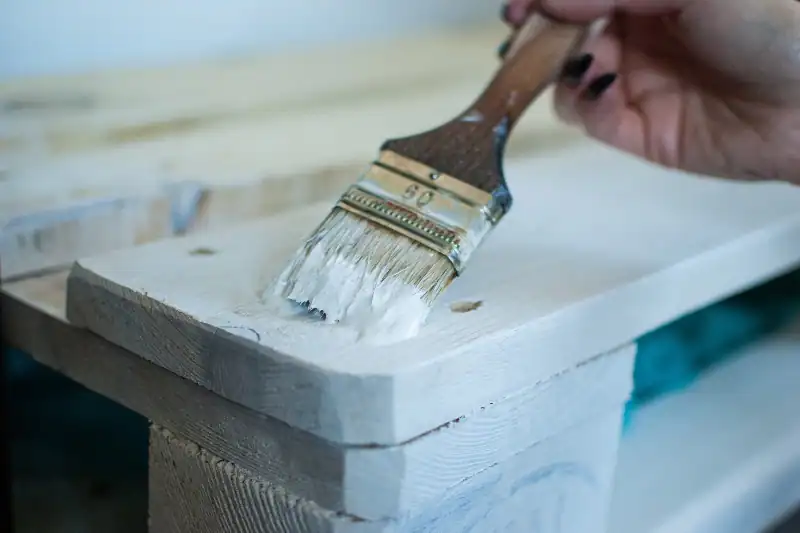
Brush application places more material on the surface at one time. A skilled painter can produce a clean result, but light brush marks or texture may remain after the coating dries.
That difference is most noticeable on flat doors, shaker-style cabinets, and other surfaces where light moves across a wide panel. Spraying is often the better fit when the goal is a flatter finish with fewer visible application marks.
How Cabinet Material Affects the Method
The cabinet material matters because not every surface starts with the same texture. A smooth maple door and an open-grain oak door will not look identical after coating, even if the same application method is used.
Oak has visible pores and grain that may remain noticeable after spraying. Homeowners who want a smoother result may need grain filling, added primer work, and more sanding before the topcoat is applied.
Maple, cherry, MDF, and many previously finished cabinet surfaces are usually smoother. Spray application can help preserve that flatter appearance without adding brush texture.
A contractor should inspect the cabinet material before recommending a method. Giving every homeowner the same answer without looking at the wood, existing finish, and condition of the doors leaves out part of the decision.
Where Spray Application Works Best
Spraying is often the stronger choice for cabinet doors, drawer fronts, flat panels, shaker profiles, and smooth cabinet materials. The coating can reach corners and profiles evenly while leaving a consistent surface across larger areas.
A controlled spray area also gives the painter better control over dust, airflow, drying conditions, and overspray. This is one reason many cabinet painters remove doors and drawer fronts and finish them away from the kitchen.
Spray application does require more masking, ventilation, equipment, and setup than brushing. Those added steps are worthwhile when they support a smoother finish, but the equipment alone does not prove the work will be done correctly.
The painter still needs to apply the coating at the manufacturer’s recommended thickness and allow enough time between coats. Heavy coats can sag, dry unevenly, or stay soft below the surface.
Where Brush Application Still Has a Place
Brushing can be useful for small touch-ups, narrow on-site areas, and repairs that do not justify resetting a spray area. It also gives the painter direct control over the amount of coating placed on a small section.
The trade-off is texture. Even with a high-quality brush and a self-leveling coating, some marks may remain when the finish is viewed under direct light.
Some cabinet projects use more than one application tool. Doors and drawer fronts may be sprayed in a controlled area while fixed cabinet sections are completed on-site using the method listed in the project plan.
Before hiring a contractor, ask how each part of the cabinets will be coated. The answer should cover doors, drawer fronts, face frames, boxes, end panels, trim, and touch-ups.
Why the Cabinet Coating Matters
Spray vs. brush cabinet painting is only part of the finish system. Standard wall paint is made for walls, not cabinet doors that are handled, wiped, bumped, and exposed to cooking residue.
Cabinet-grade coatings are designed to dry harder and withstand more cleaning and contact. The painter should be able to name the primer, topcoat, finish level, and recommended curing instructions for the products used on your cabinets.
Tera Painting uses Renner 643 primer and Renner 765 topcoat for cabinet projects. The coating system is applied to prepared surfaces rather than being treated like a standard wall repaint.
Indoor coating choices can also affect air quality during application and drying. The U.S. Environmental Protection Agency recommends considering VOC content along with coating performance, and its guidance on how paint VOCs affect indoor air quality explains why ventilation and product instructions matter.
What the Cabinet Painting Process Should Include
A smooth cabinet finish starts before the topcoat is applied. Grease, residue, loose finish, surface damage, and sanding dust can all interfere with adhesion.
Tera Painting currently uses a four-day cabinet painting process:
Day 1: Doors and drawer fronts are removed, labeled, and prepared for off-site finishing. Hardware is organized, cabinet surfaces are cleaned, and the kitchen work area is masked.
Day 2: Cabinet surfaces are scuff-sanded, vacuumed, and cleaned. The first primer coat is applied, and surface defects are filled and sanded as needed.
Day 3: A second primer coat and final sanding prepare the cabinets for the topcoat. The exact primer system should match the cabinet material and the condition of the existing finish. Our guide to choosing the right primer for painted wood explains why surface type matters.
Day 4: The topcoat system is applied, the work area is uncovered, and the doors, drawer fronts, and hardware are reinstalled. The final review should cover finish quality, alignment, touch-ups, cleaning instructions, and curing time.
How Long a Painted Cabinet Finish Can Last
Tera Painting states that a cabinet finish completed with its catalyzed coating system can often last 8 to 15 years. Actual service life depends on surface preparation, product application, household use, cleaning habits, moisture, and care after the project.
Spraying can create a more even surface, but application method does not replace cleaning, sanding, priming, and curing. A sprayed coating applied over grease or a poorly sanded finish can still fail early.
Use mild cleaning products and soft cloths after the coating has cured. Avoid abrasive pads, harsh degreasers, and standing water around cabinet edges. For broader care guidance, read these tips on maintaining painted cabinet surfaces.
Questions to Ask a Cabinet Painter
A contractor’s answer to the spray vs. brush question should be specific to your cabinets. Ask how the material, existing finish, kitchen setup, and coating system affect the plan.
A clear answer should describe the full process instead of relying on a simple claim that spraying is always better. Review these additional questions to ask a painting contractor before hiring before comparing estimates.
Frequently Asked Questions
Is spraying always better than brushing cabinets?
No. Spraying usually creates a smoother finish on doors and drawer fronts, but cabinet material, surface condition, preparation, and coating choice also affect the result. Brushing can still be useful for touch-ups and select on-site areas.
Can oak cabinets be sprayed?
Yes. Spraying can coat oak cabinets, but the open grain may remain visible. Grain filling, primer, sanding, and homeowner expectations should be discussed before the project begins.
Should cabinet doors be removed before painting?
Removing doors and drawer fronts makes it easier to clean, sand, coat, and dry each side. It also allows the painter to label the pieces and finish them in a controlled area.
How soon can painted cabinets be cleaned?
Drying and full curing are not the same. Follow the coating manufacturer’s instructions and the contractor’s care guide before using cleaners or placing heavy wear on the surface.
Choose the Method After Reviewing the Full Process
For most smooth or previously finished cabinets, spraying is likely to create the cleanest surface. The result still depends on the cabinet material, preparation steps, coating system, application conditions, and curing plan.
Tera Painting serves homeowners in Seattle, Shoreline, Redmond, Mercer Island, Woodinville, and nearby communities. The company uses a four-day cabinet process with Renner 643 primer and Renner 765 topcoat, along with a 7-year workmanship warranty.
Contact Tera Painting at 425-696-4016 to schedule a free cabinet painting estimate and review the recommended application method for your kitchen.