
If you are deciding to stain a deck yourself or hire someone this summer, the first step is the same either way: knowing how to stain a deck the right way so you can tell when the work is being done correctly. That matters more in Seattle than in most places, because the climate makes deck staining harder than people expect, and cutting corners shows up within a season.
Key Takeaways
- Seattle’s wet climate calls for penetrating stains, not film-forming products, for lasting results.
- Prep, specifically cleaning and drying, decides whether a stain holds or fails.
- New pressure-treated decks need several weeks to dry before they will accept stain.
- Decks built before 2004 may contain CCA-treated wood that needs careful handling.
- Application timing matters: heat, humidity, and rain windows all affect the outcome.
- Knowing what a good contractor looks like helps you avoid costly mistakes.
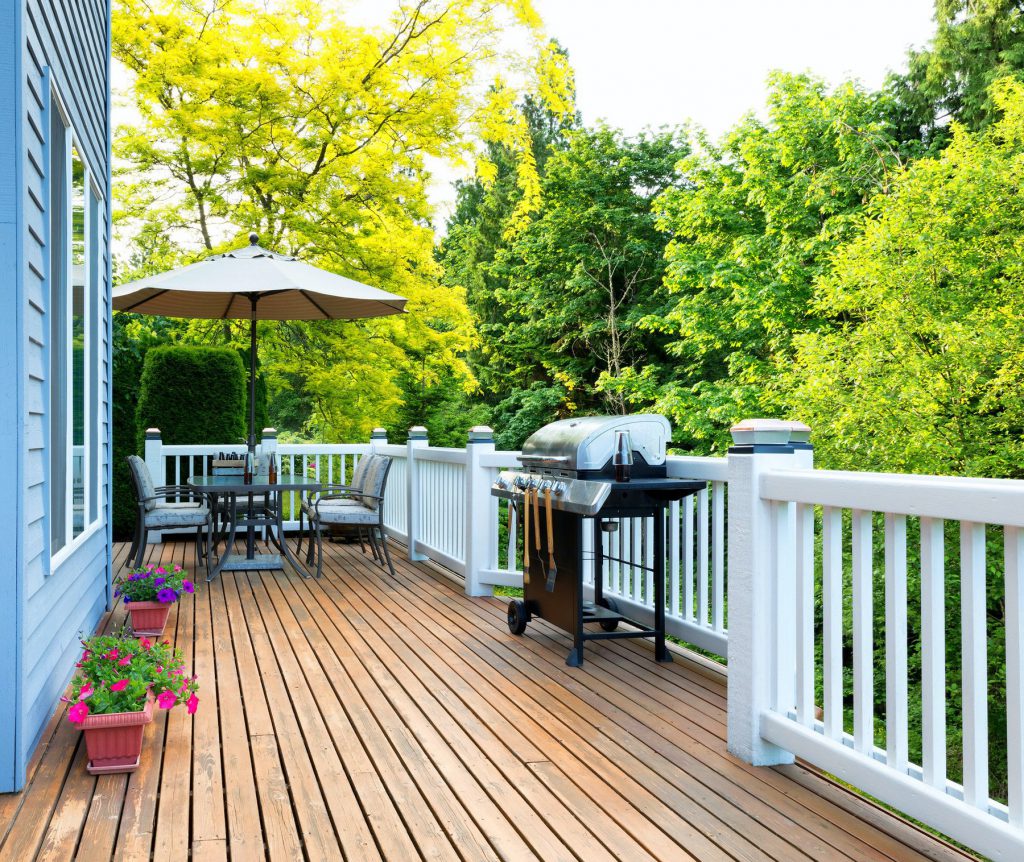
How to Stain a Deck in Seattle: Why Climate Changes Everything
A deck in Phoenix plays by completely different rules than one in Shoreline or Mercer Island. Seattle decks face constant moisture, UV, mildew, and seasonal temperature swings that break down poorly maintained wood faster than people expect.
Here is the key distinction: film-forming stains that sit on the surface look good at first but fail fast here, peeling and trapping moisture underneath. Penetrating stains soak into the fibers, letting the wood breathe while blocking water and UV.
Understanding that upfront changes every decision, from product choice to the day you pick up a brush.
Step 1: Inspect and Repair Before Anything Else
Walk your deck before you buy a single can. Look for old coatings, broken or raised screws and nails, warped or split boards, and any spot that feels soft or spongy underfoot, which means rot that has to be replaced before staining.
Drive in or replace loose nails with deck screws, and sand splintered areas with a pole sander and 80-grit.
One thing Seattle homeowners with older decks should know: residential CCA-treated wood was phased out starting in 2004, covering decks, fences, and walkways. If your deck predates that and you are unsure what it is made of, have it assessed before sanding, since sanding CCA wood releases harmful particles. The EPA’s guidance on CCA-treated wood covers it.
Step 2: Clean the Deck, the Most Important Part
The most important step is cleaning, because a clean surface is what lets stain soak in and cure. A wood deck cleaner lifts dirt, nail stains, algae, and mildew so the stain can bond.
Apply it with a stiff brush or roller, let it sit about 15 minutes without drying out, then rinse thoroughly. If you rinse with a pressure washer, use 1,200 to 1,400 psi with a 45-degree tip and spray along the grain so you do not damage the wood.
Where old stain has chipped or peeled, sand it off so you are working with a clean, sound surface.
Step 3: Let the Deck Dry, All the Way
This is where Seattle homeowners most often run into trouble. Staining before the deck is fully dry traps moisture and invites mold and mildew, so wait 1 to 2 days after cleaning before you start.
If it rains, wait another 1 to 2 days, and a shaded deck that gets no direct sun may need longer. Run the water test before starting: if it soaks in, you are ready; if it beads, the wood is not.
A new deck needs more patience. Pressure-treated lumber holds moisture and often has a surface coating that resists stain, so wait several weeks to a few months before staining.
Step 4: Choose the Right Stain for a Pacific Northwest Deck
Deck stains run from transparent to solid, and part of how to stain a deck in this climate is matching the product to the wood and the weather.
Transparent stains show the full grain and need recoating about yearly. Semi-transparent stains add light color while keeping grain visible, which helps hide aging wood while matching your exterior. Solid stains hide imperfections and give durable, all-climate protection, a good pick for refinishing an older deck.
Cloudy weather gives you flexibility on pigment. More pigment means more UV protection, but since the region gets less sun, you can run a bit less pigment than someone in a sunny climate would need.
For Seattle decks, semi-transparent or transparent oil-based stains are often recommended, since they penetrate deeply, let moisture vapor escape, and still protect against UV. For products rated for outdoor wood, see our professional deck staining services.
Step 5: Time the Application Window Carefully
Seattle’s dry summer is near-ideal for staining a deck, and outside that window the moisture risk climbs fast. Pick a day between 50°F and 90°F, keep the stain out of direct sun so it does not dry before the wood absorbs it, and confirm no rain for the next 12 to 24 hours.
Early morning or late afternoon is easier, since the surface is out of direct sun. Working in shade also gives you more time to blend lap marks for an even finish.
The Application Process, Step by Step
Now for the part most people picture when they think about how to stain a deck. Once the deck is clean, dry, and ready, work through it in order.
1. Start with railings and vertical surfaces. Apply from the bottom up so drips blend into wet stain below instead of landing on dry wood.
2. Move to the deck boards. Follow the grain, staining a few full boards at a time to prevent lap marks. A pole pad or roller covers the flat area faster.
3. Back-brush your work. Follow each roller or pad pass with a brush to drive stain deeper, which means better moisture protection here.
4. Do not over-apply. Too much stain turns gummy and hard to fix, so work small areas and keep a wet edge.
5. Mix cans first. Blend multiple cans in one bucket before starting so color stays consistent.
A newly stained deck needs about 48 hours to dry, so keep foot traffic off for at least 2 days.
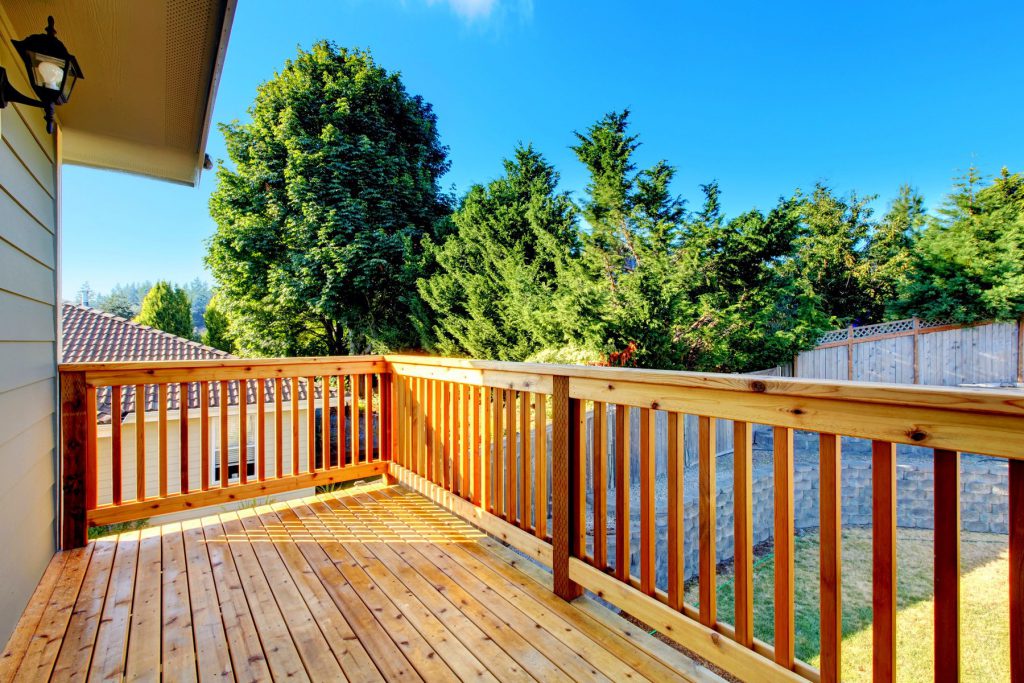
How Often Does a Seattle Deck Need Restaining?
Plan on restaining every 2 to 4 years, depending on wood type, exposure, and how well the last coat went on. Seattle’s climate pushes fully exposed decks toward the shorter end.
A simple rule: if the stain still beads water, it is still working. When water soaks in, or the deck looks faded and feels rough, it is time to recoat.
What to Look for When Hiring a Deck Staining Professional
DIY works for a straightforward deck, but some jobs are worth handing off, and even then, knowing how to stain a deck helps you hire the right person. Ask a contractor these questions.
- What product will you use, and why is it right for my deck? A pro who works in Seattle gives a specific answer, not a vague one.
- What does prep include? Cleaning, drying time, sanding, and board repair should all be spelled out; a contractor who glosses over prep in conversation will skip it on the job.
- What does the estimate cover? Get it documented, and look for a quote that does not change unless the scope does.
- Are you licensed and insured in Washington? Verify it, since it protects you if something goes wrong.
- How do you communicate during the job? Regular updates should be the norm, not the exception.
- Do you offer a workmanship warranty? A pro who stands behind the work will back it up.
The contractors who communicate clearly before the job are almost always the ones who communicate clearly after it.
Ready to Stain Your Deck This Season?
Seattle’s dry window opens in spring and closes fast, so if your deck needs attention this year, now is the time to move. Tera Painting brings 50 years of combined team experience and more than 1,200 completed projects across the Seattle area, all backed by a 7-year workmanship warranty, a lifetime product warranty, and a quote that does not change. Explore our local exterior painting services to see the full picture.
Call 425-696-4016 for a FREE estimate today.